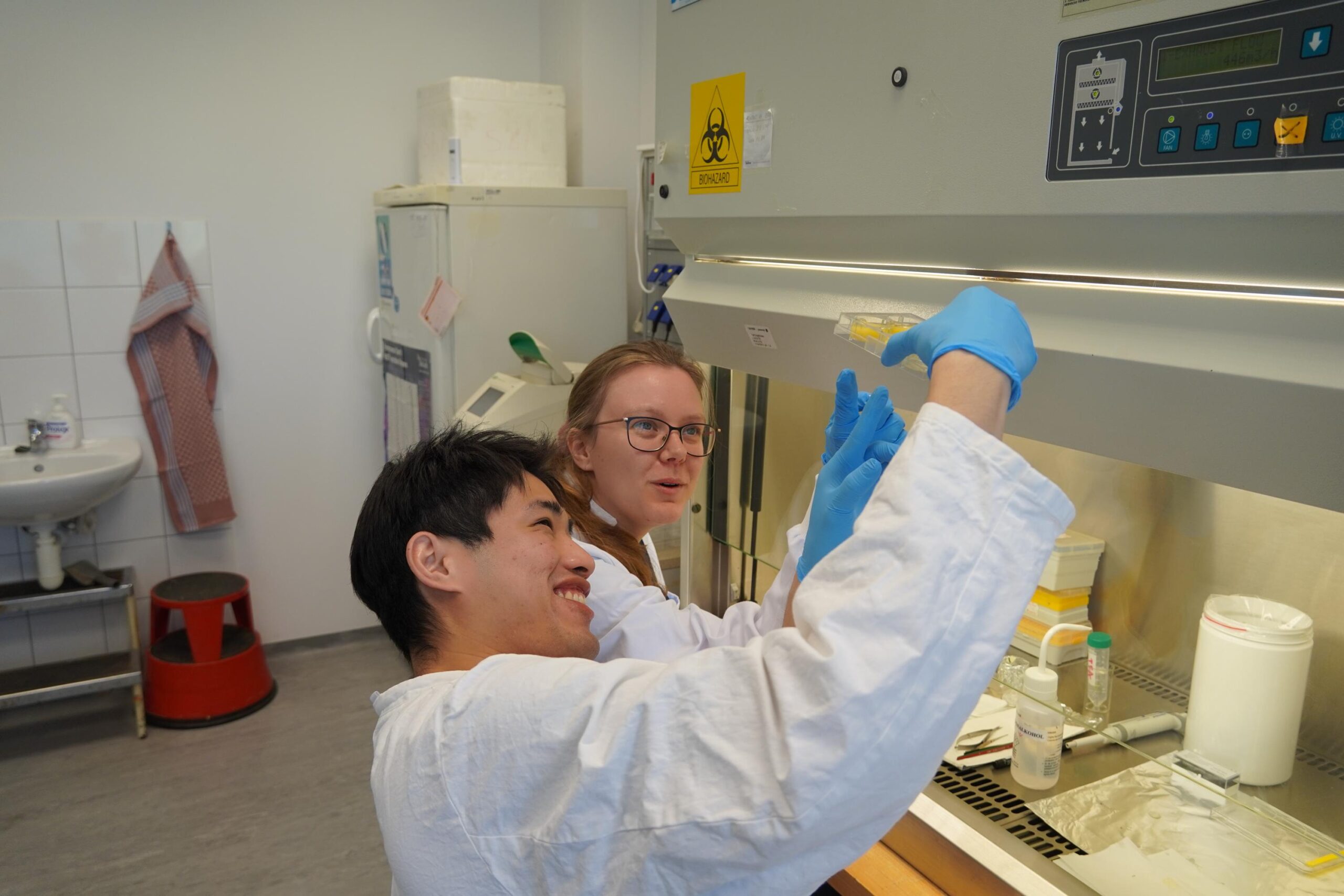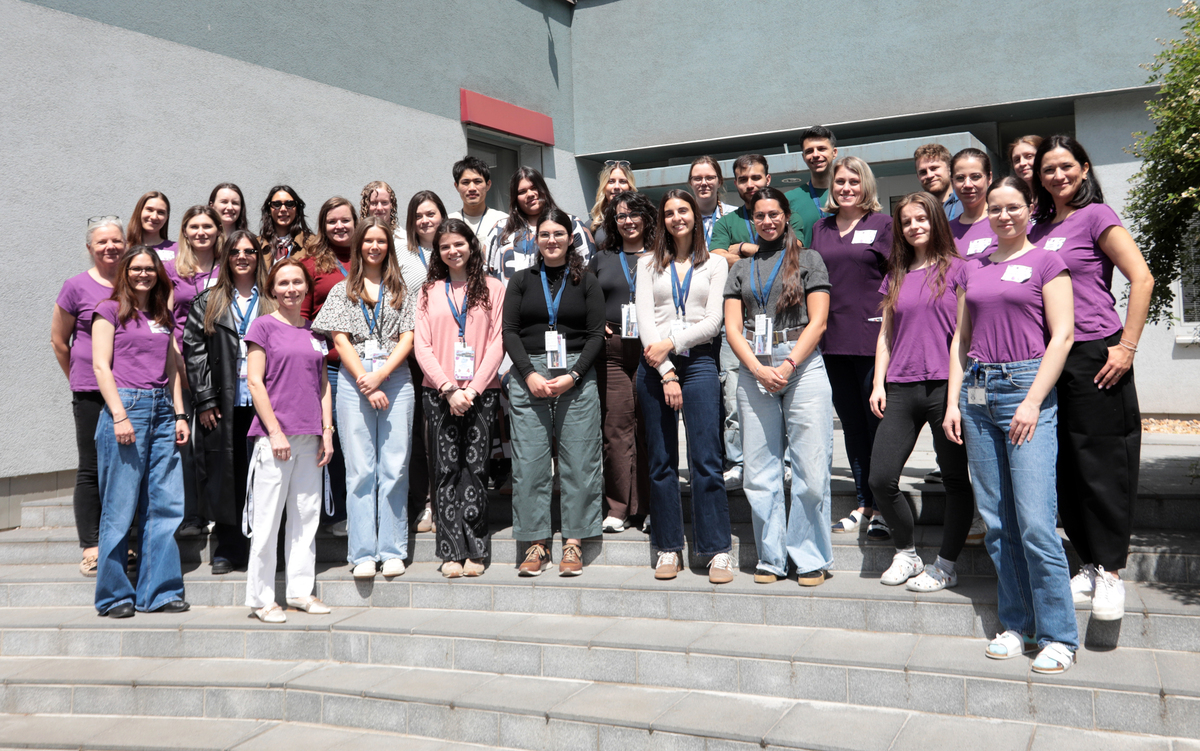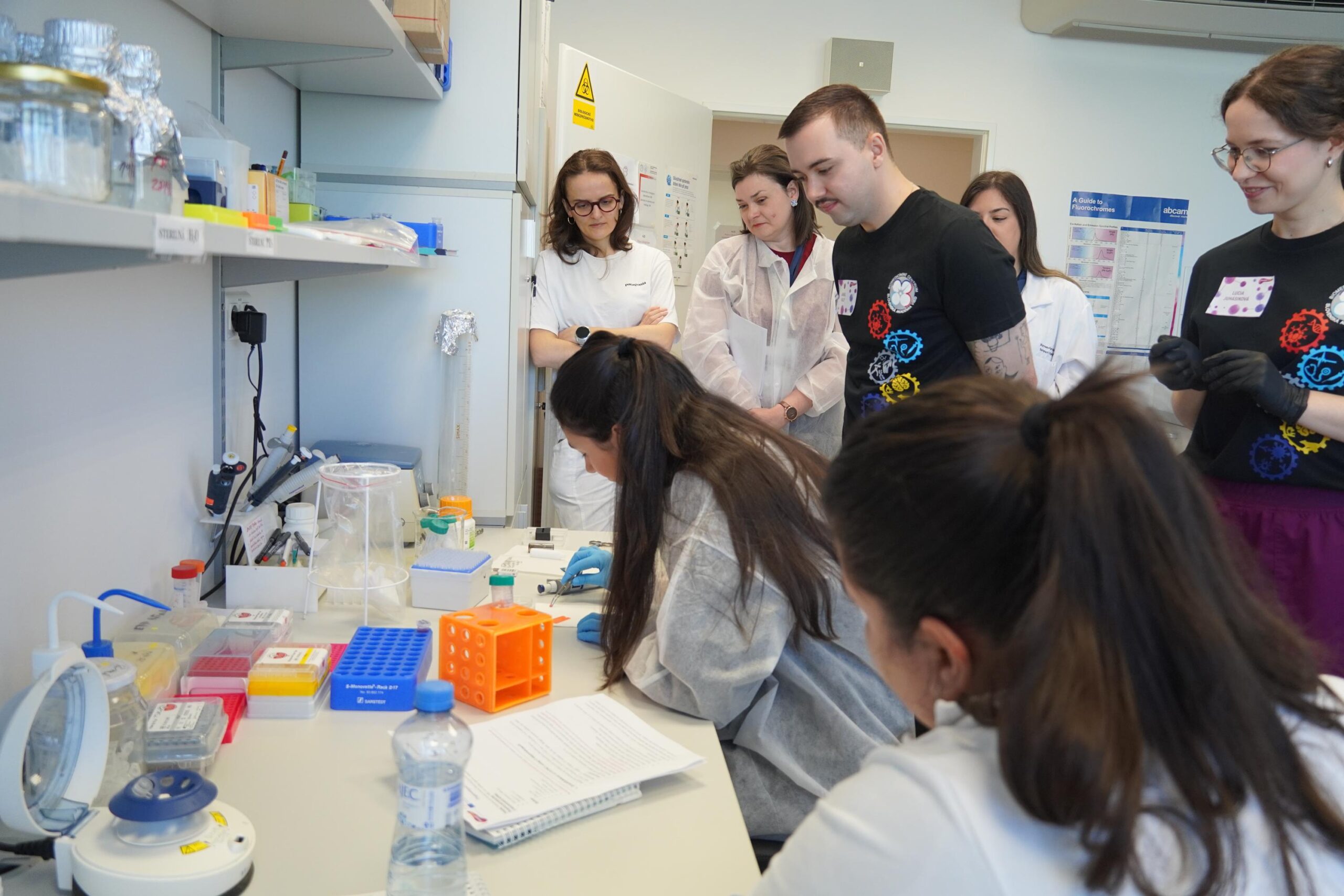
From 18 to 20 May 2026, within the TRANSPAN project – Identification of biological markers for prevention and translational medicine in pancreatic cancer CA21116 – we organized the training school “In vitro and in vivo models for functional genomics” in Biomedical Research Center of the SAS (BMC SAS). The event was attended by 18 early-career researchers, PhD students and postdoctoral researchers from several European universities and research institutions from the United Kingdom, Ireland, Spain, Greece, the Czech Republic, Serbia, Austria and Germany.
“The aim of the training school was to introduce participants to selected experimental models and methodological approaches used in oncological and translational research. Given the limited time available, we designed the programme primarily as a practical demonstration and hands-on training in individual methodologies,” explains Dr. Božena Smolková, who oversees the project at the BMC SAS and leads the Cancer Epigenetics research group.
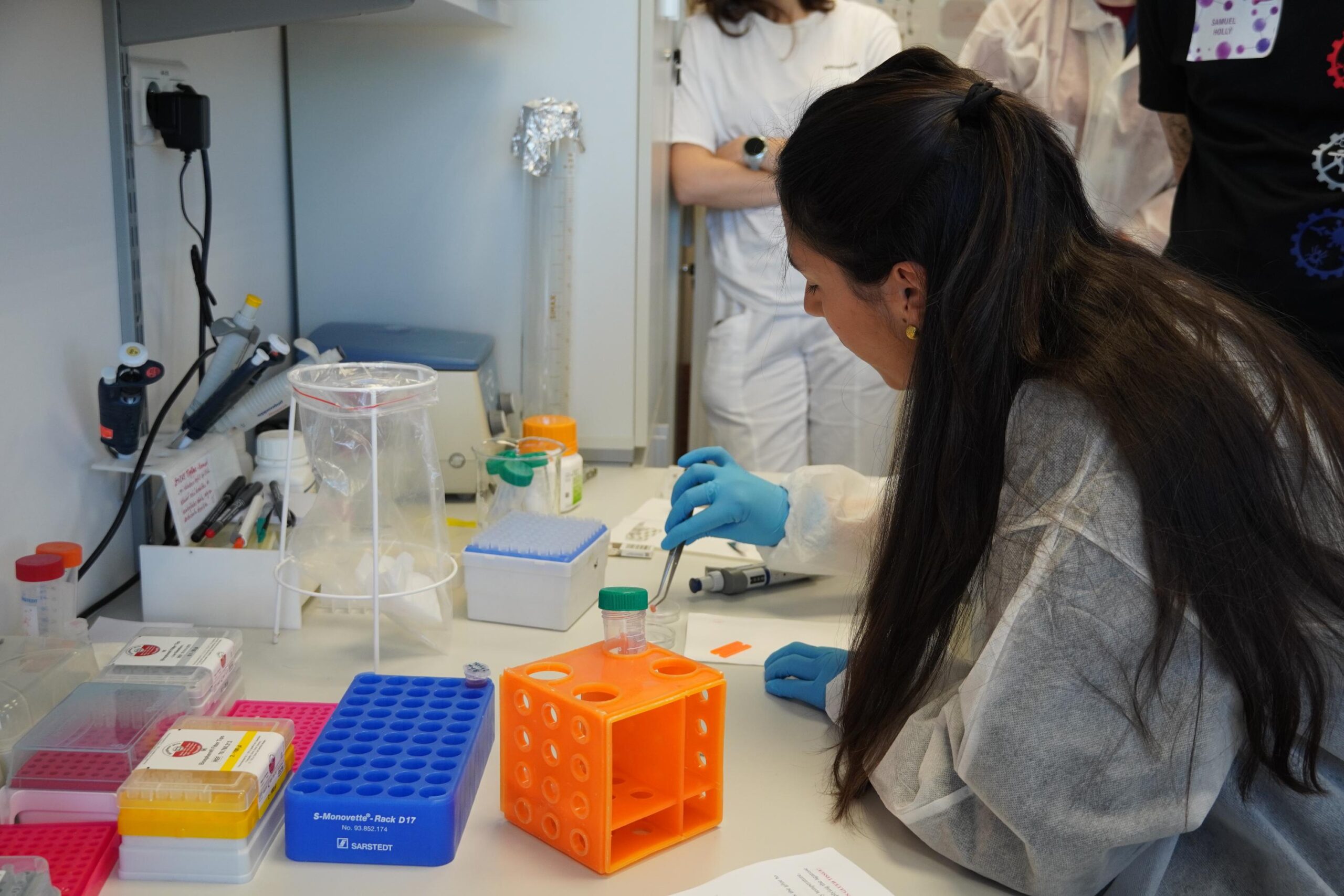
The first part of the programme focused on in vivo approaches. Participants were introduced to basic procedures used in animal models. The practical training included techniques such as suturing, tail vein injection, blood collection and tumour tissue sampling.
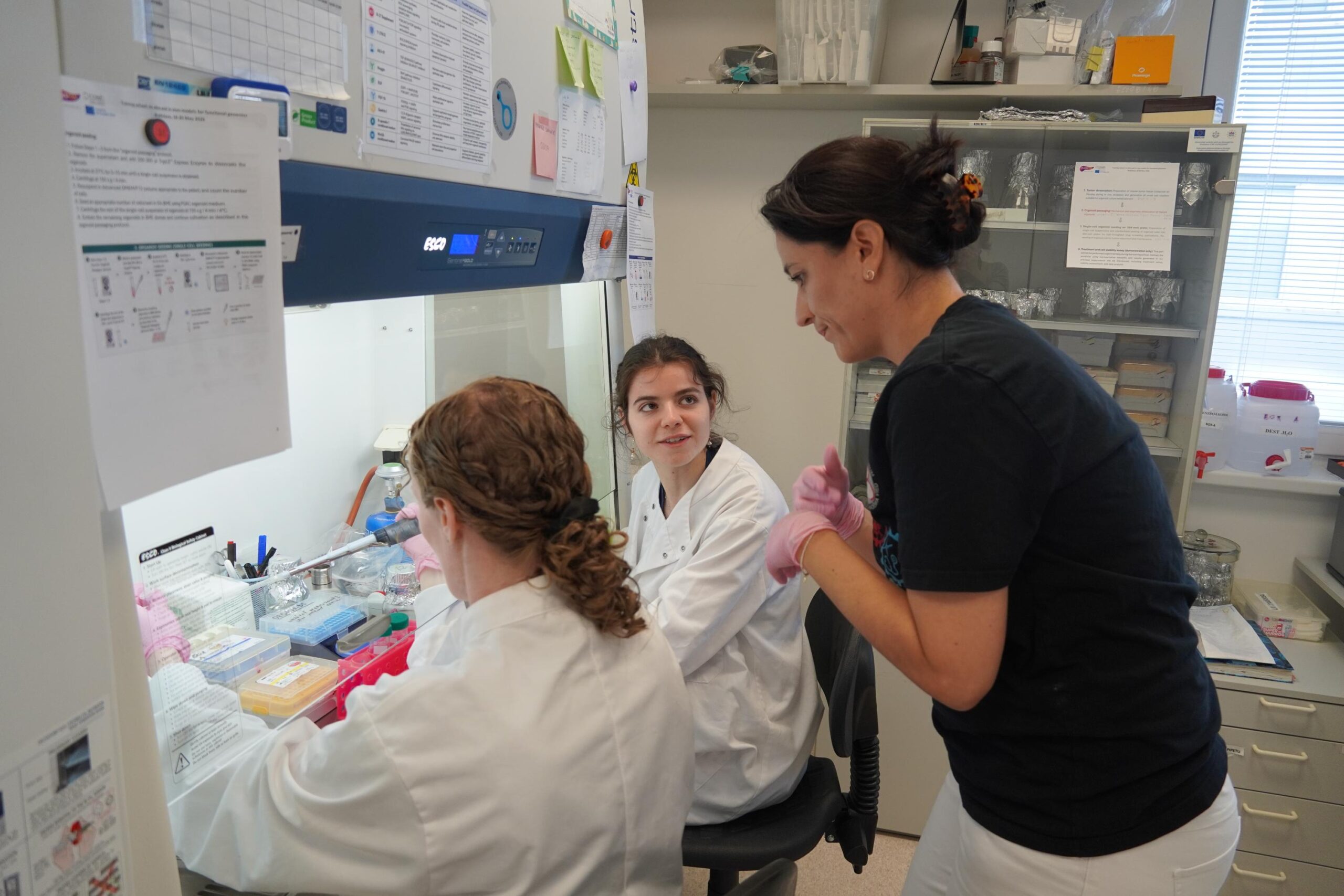
The next part of the programme focused on the processing of tumour and tissue material. Participants were introduced to procedures for tumour analysis, tissue dissociation and the preparation of organoid cultures.
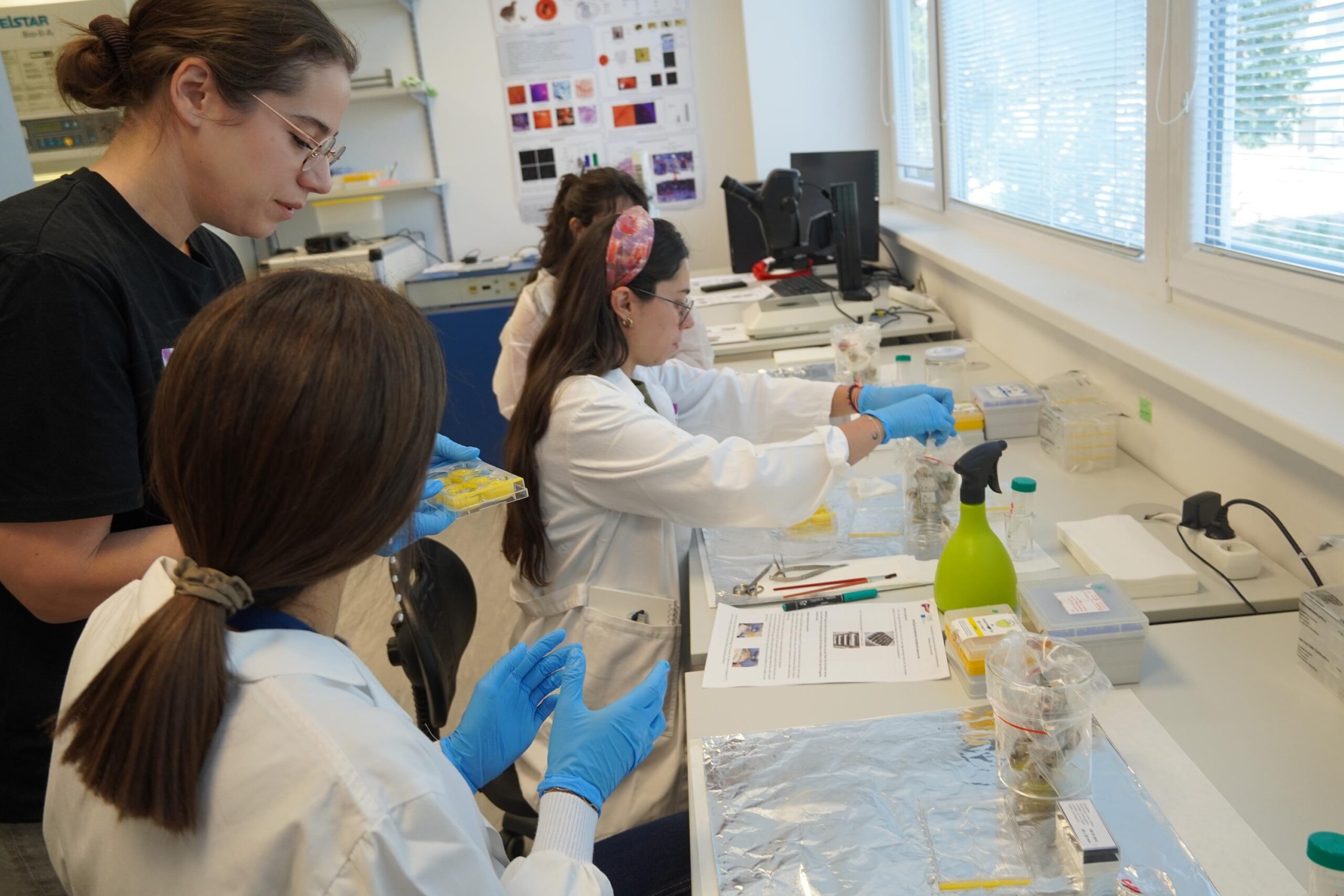
The training school also included a demonstration of work with organotypic tissue slice cultures as well the chorioallantoic membrane model, where we demonstrated its potential use in angiogenesis analysis.
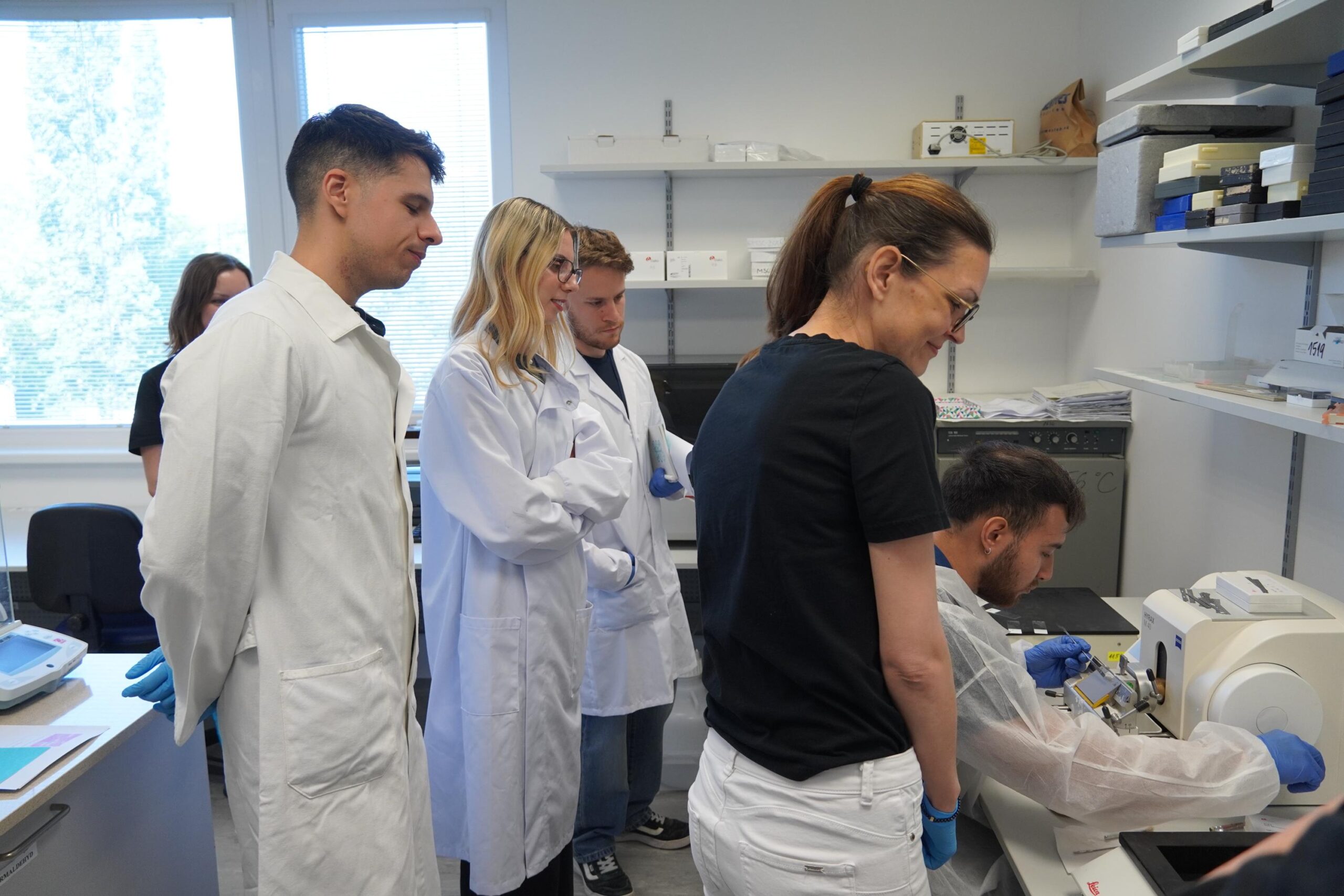
The final part of the training was dedicated to histochemical analysis. Participants practiced, or had the opportunity to observe, individual steps of tissue processing, including embedding in blocks, sectioning, staining, and basic evaluation of the prepared slides.
The presented methodologies highlighted the broad applicability of in vitro, ex vivo and in vivo models in the study of tumour biology, functional gene characterization, work with patient-derived material and the planning of preclinical experiments. The emphasis was placed mainly on understanding the principles of individual approaches, developing practical skills and exploring their potential use in functional genomics and translational oncology research.
In an anonymous survey, participants praised the excellent organization of the event, the practical focus of the training, and the number and variety of techniques they learned.
Text and photo: B. Smolková, BMC SAS; E. Rybárová, BMC SAS